Get Insulated Siding Installation
Insulated siding installation services help property owners improve energy efficiency, protect against weather damage, and enhance curb appeal through professional siding upgrades by local contractors.
Insulated siding installation is a practical upgrade for property owners looking to enhance their building’s energy efficiency and curb appeal. Whether planning a renovation or preparing for a new construction project, exploring local contractors who specialize in insulated siding can provide valuable insights into available options and best practices. By comparing different service providers in the area, property owners can identify experienced professionals capable of delivering quality results tailored to their specific needs.
This service is often considered by those seeking to improve insulation performance, reduce energy costs, or modernize the exterior appearance of their property. Property owners interested in this work are encouraged to explore their local contractor options, gaining a clearer understanding of the services available. Continuing to read can help uncover the benefits of insulated siding and assist in making informed decisions when planning a siding upgrade.
- Insulated Siding Installation - Homeowners seeking to improve energy efficiency and reduce heating and cooling costs.
- Exterior Renovation Projects - Property owners updating or upgrading the exterior of their buildings for better insulation.
- New Construction Homes - Builders looking to incorporate insulated siding into newly constructed residential properties.
- Weatherproofing Homes - Residents aiming to enhance their home's resistance to harsh weather conditions.
- Energy Upgrade Initiatives - Clients interested in increasing their property's insulation performance through professional siding services.
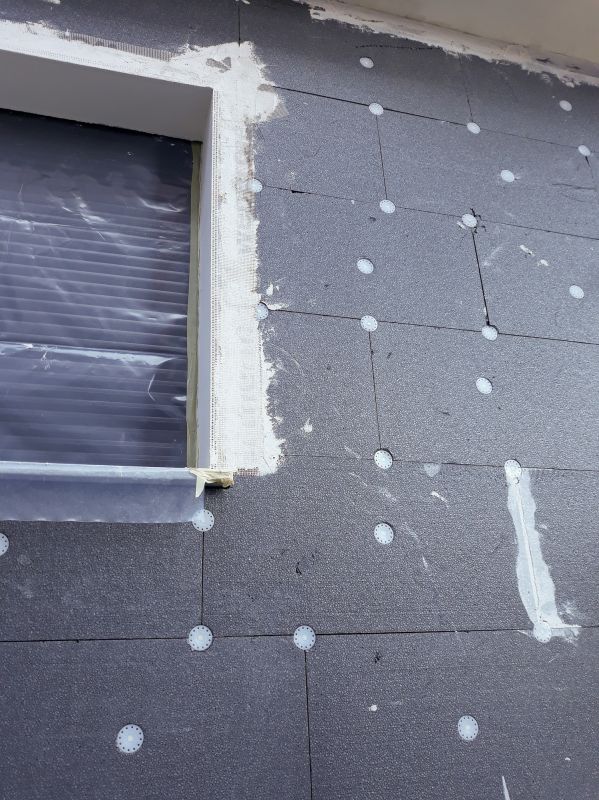
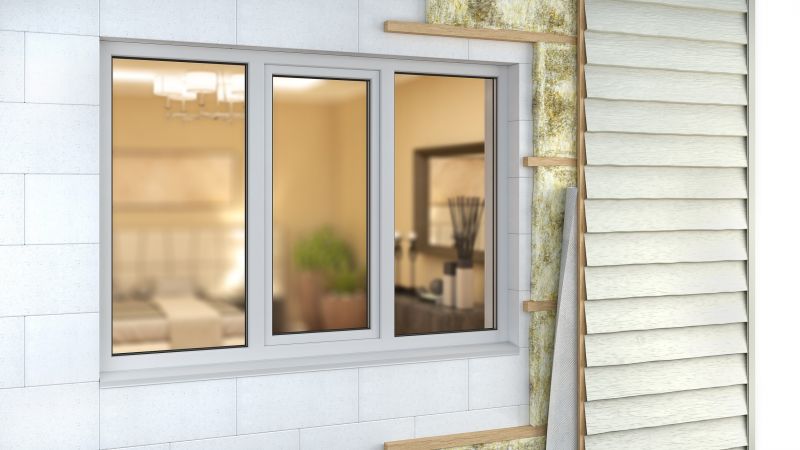
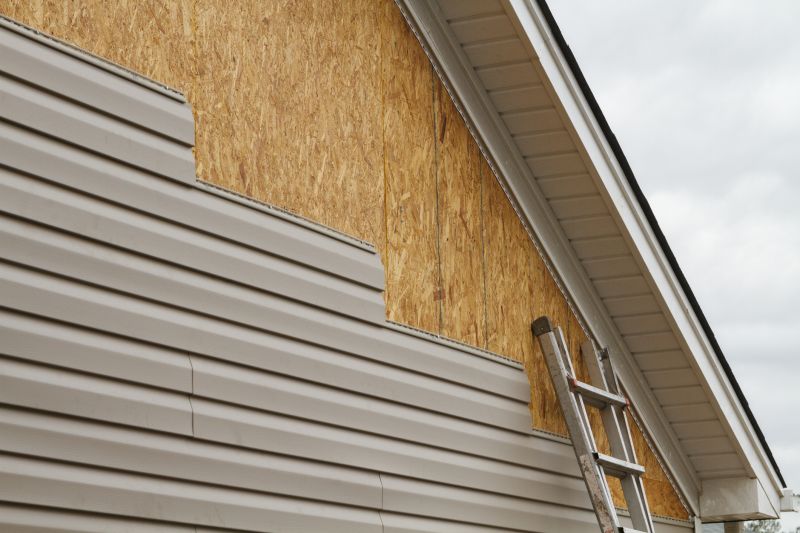
Insulated siding installation involves attaching a specialized layer of foam insulation beneath the exterior siding of a building. This process enhances the overall energy efficiency of a property by reducing heat transfer through the walls, helping to maintain a consistent indoor temperature. The installation typically includes removing existing siding, preparing the wall surface, and carefully applying the insulation and new siding materials. Skilled service providers ensure the work is done correctly, resulting in a seamless finish that improves the building’s insulation performance and aesthetic appeal.
One of the primary benefits of insulated siding is its ability to address common issues such as high heating and cooling costs, drafts, and uneven indoor temperatures. Homes and buildings that experience significant temperature fluctuations or have outdated, inefficient siding often see noticeable improvements after installing insulated siding. Additionally, this service can help prevent moisture intrusion and reduce the risk of mold growth by creating a more protective barrier against the elements. It’s an effective solution for property owners seeking to enhance comfort and curb energy expenses.
Insulated siding is suitable for a wide range of property types, including single-family homes, multi-family residences, and commercial buildings. It is especially popular in areas with harsh weather conditions or where energy efficiency is a priority. Properties with existing siding that is damaged, outdated, or not well-insulated can benefit from this upgrade. Whether a building is relatively new or older, insulated siding provides an opportunity to improve its durability, appearance, and thermal performance with the help of experienced local contractors.
Homeowners considering insulated siding installation should look for service providers who specialize in exterior remodeling and have experience working with various siding materials. These professionals can assess the specific needs of a property, recommend appropriate insulation and siding options, and ensure the installation is performed to high standards. By connecting with local contractors, property owners can find trusted experts capable of delivering a quality upgrade that enhances comfort, reduces energy costs, and boosts curb appeal.
The overview below groups typical Insulated Siding Installation projects into broad ranges so you can see how smaller, mid-sized, and larger jobs often compare in your area.
In many markets, a large share of routine jobs stays in the lower and middle ranges, while only a smaller percentage of projects moves into the highest bands when the work is more complex or site conditions are harder than average.
Smaller Repairs - For minor insulation upgrades or small siding repairs, local contractors typically charge between $250 and $600. Many routine jobs fall within this range, though costs can vary based on the scope and materials used.
Partial Replacement - Replacing sections of insulated siding usually costs between $1,000 and $3,500 for most projects. Larger, more complex partial replacements can reach $4,000 or more, but these are less common.
Full Siding Replacement - Complete siding replacement with insulated panels generally ranges from $5,000 to $15,000. Many full projects fall into the middle of this range, with higher costs associated with larger or more intricate installations.
Custom or Large-Scale Projects - Extensive or custom-designed insulated siding installations can exceed $20,000, though such projects are less typical. Costs depend heavily on size, materials, and complexity of the work involved.
Actual totals will depend on details like access to the work area, the scope of the project, and the materials selected, so use these as general starting points rather than exact figures.
Siding Repair Projects - repair work on existing siding systems often requires similar skills and tools as insulated siding installation, including surface preparation and material handling.
Exterior Wall Insulation Services - installing additional insulation on exterior walls involves planning and techniques comparable to those used in insulated siding installation for enhanced energy efficiency.
Cladding Replacement Projects - replacing or upgrading exterior cladding shares planning, material selection, and installation skills with insulated siding services.
Home Exterior Renovations - comprehensive exterior upgrades often include siding installation, requiring coordination of planning, surface preparation, and finishing work.
Vinyl Siding Installation - installing vinyl siding involves similar procedures, tools, and planning considerations as insulated siding projects, making it a related service.
Facade Renovation Projects - updating or restoring building facades often involves siding work that requires similar expertise in surface preparation and material installation.
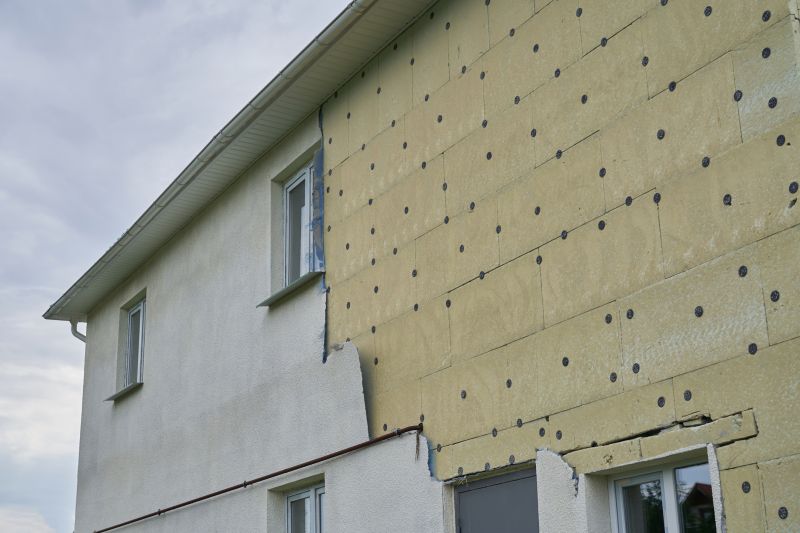
When evaluating potential contractors for insulated siding installation, it’s important to consider their experience with similar projects. Homeowners should look for service providers who have a proven track record of completing insulated siding work comparable to the scope of their own project. An experienced contractor will be familiar with the best installation practices, common challenges, and the nuances of different siding materials, helping to ensure a successful outcome. Asking for details about past projects or viewing portfolios can provide insight into their familiarity with insulated siding and their ability to handle the specific requirements of the job.
Clear written expectations are essential for a smooth project process. Homeowners should seek out local service providers who are willing to provide detailed estimates, including the scope of work, materials to be used, and any warranties or guarantees offered. Having a written plan helps establish mutual understanding and reduces the risk of misunderstandings. It’s also beneficial to discuss how the project will be managed, what the timeline might look like, and how any issues that arise will be addressed, ensuring everyone is aligned from the outset.
Reputable references and good communication are key factors when comparing local contractors. Homeowners should ask for references from previous clients who had similar work done and follow up to learn about their experiences. Reliable service providers tend to maintain open lines of communication, providing timely responses to questions and updates throughout the project. While this site introduces homeowners to local options, it is important to verify that each contractor maintains a professional reputation, demonstrates transparency, and communicates effectively-traits that contribute to a positive and successful siding installation experience.
Property owners use Insulated Siding Installation services for practical projects around their homes and businesses. This guide focuses on everyday jobs and straightforward project options.
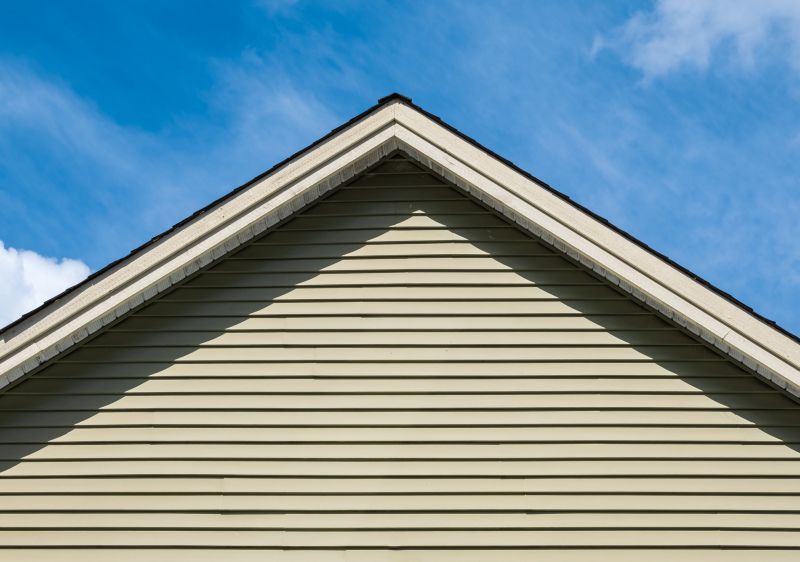
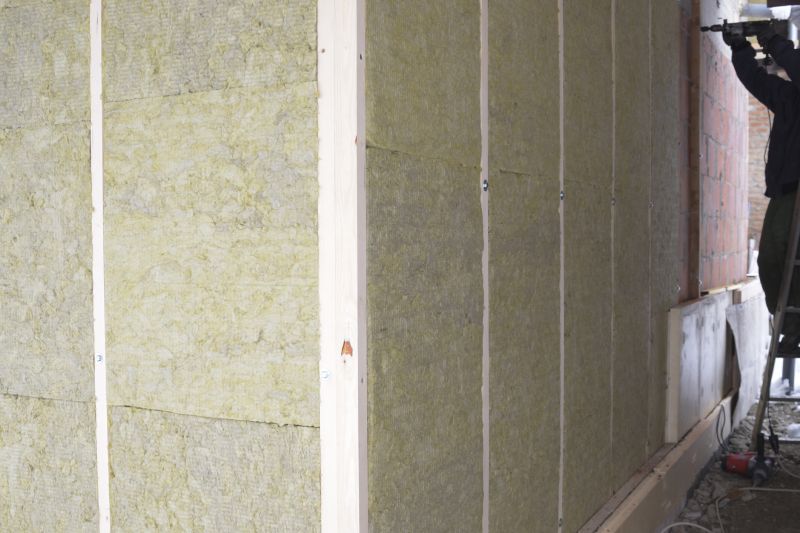
Insulated siding installation is a common project for property owners looking to improve energy efficiency and enhance curb appeal. Many local homeowners seek this service when their current siding has become worn, faded, or damaged, leading to increased heating and cooling costs. Additionally, those preparing to sell their homes or updating older properties often consider insulated siding as a way to boost the overall appearance and value of their property.
Local contractors frequently handle insulated siding projects for a variety of reasons, including weather-related wear and tear or the desire for better insulation. Property owners might also look for this work when experiencing drafts or uneven indoor temperatures, which can signal a need for improved wall insulation. Service providers can help assess the condition of existing siding and recommend suitable solutions to meet specific needs.
What are the benefits of insulated siding installation? Insulated siding can improve energy efficiency, enhance curb appeal, and provide additional insulation for a home.
How do local contractors install insulated siding? Professionals typically prepare the existing surface, install insulation panels, and then attach the siding securely to ensure durability and proper insulation.
Is insulated siding suitable for all types of homes? Insulated siding is versatile and can be installed on various home styles, but a consultation with local service providers can determine the best options for specific needs.
What materials are used for insulated siding? Common materials include foam-backed vinyl, fiber cement, and composite sidings, each offering different benefits and aesthetic options.
How can I find local contractors for insulated siding installation? This website helps connect homeowners with experienced service providers in their area who specialize in siding installation services.
Enhance Energy Efficiency - Insulated siding can help property owners improve their home's energy retention, reducing heating and cooling costs during seasonal changes.
Upgrade Exterior Appearance - Homeowners seeking a fresh, modern look can consider insulated siding to update their property's curb appeal.
Increase Weather Resistance - Property owners in areas prone to harsh weather can use insulated siding to protect their homes from the elements.
Reduce Noise Pollution - Insulated siding offers an effective way to minimize outdoor noise, creating a quieter indoor environment.
If you are thinking about Insulated Siding Installation for a property, this guide is meant to help you understand the work, the typical project types, and how different options might fit your plans.
When you are ready, you can use the quote form on this page to share a few details about your project. From there, local pros can review the basics and respond with options that match what you have in mind.